Nutrition Myths Exposed: Protein Obsession, Processed Foods, & Eating Disorder Recovery With Kathleen Meehan, RD @therdnutritionist

Nutrition Myths Exposed: Protein Obsession, Processed Foods, & Eating Disorder Recovery With Kathleen Meehan, RD @therdnutritionist

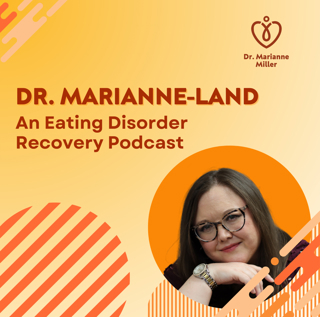
What happens when nutrition advice becomes loud, simplified, and everywhere you turn? In this episode, Dr. Marianne welcomes back Kathleen Meehan, RD (@therdnutritionist), an anti-diet, fat-positive dietitian, to unpack the current wave of nutrition myths shaping how people think about food, health, and eating disorder recovery. From protein obsession to processed food panic, this conversation brings nuance back into a space that often lacks it.

The Rise of Protein Obsession in Diet Culture

Protein is everywhere right now. Social media, food marketing, and even medical guidance are emphasizing high-protein intake as the key to health. Kathleen explains that while protein is important, the current messaging lacks context and balance.

This trend often leads to the quiet demonization of carbohydrates and reinforces rigid food rules. It is especially visible in conversations around GLP-1 medications, where protein is framed as a solution for muscle preservation without acknowledging that overall nourishment matters more.

Protein cannot compensate for not eating enough. A balanced, consistent pattern of eating is what supports both physical and mental well-being.

How Nutrition Messaging Fuels Disordered Eating

Many people enter eating disorder recovery already carrying fear and guilt around food. Kathleen highlights how even well-meaning nutrition advice can contribute to disordered eating when it is oversimplified.

Messages about avoiding certain foods or “doing it right” can increase anxiety and disconnect people from their internal cues. Over time, this reinforces the belief that food must be controlled, measured, or optimized to be acceptable.

Recovery often requires moving away from rigid rules and toward flexibility, trust, and consistency.

The Pressure to Optimize Food and Health

Wellness culture increasingly encourages people to track and fine-tune every aspect of their health. From wearable devices to food tracking, there is pressure to optimize eating, sleep, and metabolism.

This level of monitoring can create stress and a false sense of control. Kathleen emphasizes that focusing on the big picture is often more helpful than micromanaging details. A sustainable relationship with food does not require constant measurement.

Zooming out allows for a more realistic and supportive approach to health.

Processed Foods and Eating Disorder Recovery

Processed foods are often framed as harmful, but this conversation challenges that narrative. Kathleen emphasizes that processed foods are essential for accessibility, convenience, and consistency.

For many people, including those with ARFID, processed foods may be the most reliable or tolerable options. Removing them can reduce intake and increase distress. In eating disorder recovery, having access to preferred foods is often more important than striving for an idealized version of eating.

Processed foods can support nourishment, especially when life is busy, resources are limited, or sensory needs are present.

Food Access, SNAP, and Nutrition Myths

Food choices are shaped by access, time, and resources. Kathleen and Dr. Marianne discuss how public conversations about SNAP benefits and food choices often ignore these realities.

Shelf-stable and convenient foods can be essential for individuals and families managing work demands, limited access to fresh foods, or financial constraints. Judging food choices without considering these factors oversimplifies complex realities.

Nutrition cannot be separated from social context. A broader view of health includes access, stress, and systemic factors.

ARFID, Sensory Needs, and Flexible Eating

For individuals with ARFID, expanding food options requires safety and flexibility. Kathleen emphasizes that access to preferred foods supports both nourishment and emotional well-being.

Pressuring people to eat in a certain way, especially under rigid “clean eating” expectations, can increase distress and reduce intake. Lowering pressure and supporting consistency helps create a more sustainable relationship with food.

This approach is especially important for neurodivergent individuals and those navigating sensory sensitivities.

A More Nuanced Approach to Nutrition

This episode returns to a central theme: nutrition is not meant to be rigid or perfect. Instead of focusing on exact numbers or rules, a more supportive approach asks whether you are eating enough, including a variety of foods, and meeting your needs over time.

If nutrition advice feels extreme or overwhelming, it may not be helpful. A flexible, big-picture approach supports eating disorder recovery far more than rigid guidelines.

Connect With Kathleen Meehan, RD

Follow Kathleen on Instagram at @therdnutritionist or on her website for thoughtful, weight-inclusive perspectives on nutrition, diet culture, and eating disorder recovery.

Related Episodes

When Children and Teens Struggle With Binge Eating Disorder With Kathleen Meehan, RD @therdnutritionist on Apple & Spotify.

Navigating Nutrition in Long-Term Eating Disorders With Jaren Soloff, RD @wholewomennutrition on Apple & Spotify.

Chronic Illness, Wellness Culture, & Eating Disorder Recovery: Taking an Anti-Diet Approach With Abbie Attwood, MS, @abbieattwoodwellness on Apple & Spotify.

Work With Dr. Marianne

Dr. Marianne is a California-based eating disorder therapist specializing in ARFID and other eating disorders. She offers virtual therapy, coaching, and virtual courses to support a more flexible, sustainable relationship with food. Learn more at drmariannemiller.com.

Listen & Subscribe

If this episode resonated, follow the Dr. Marianne-Land podcast on Apple Podcasts and Spotify, and share it with someone who could benefit from a more nuanced approach to nutrition and eating disorder recovery.

Tämä jakso on lisätty Podme-palveluun avoimen RSS-syötteen kautta eikä se ole Podmen omaa tuotantoa. Siksi jakso saattaa sisältää mainontaa.

Jaksot(359)

Misophonia: Why Chewing Sounds Feel Unbearable & How to Cope With Dr. Tom Phelan

Misophonia: Why Chewing Sounds Feel Unbearable & How to Cope With Dr. Tom Phelan

Do chewing, crunching, or slurping sounds make you feel anxious, overwhelmed, disgusted, or desperate to leave? In this episode of Dr. Marianne-Land, Dr. Marianne welcomes clinical psychologist and au...

12 Loka 29min

Why Certain Foods Become Binge Foods: ADHD, Autism, Bulimia, & Binge Eating Disorder

Why Certain Foods Become Binge Foods: ADHD, Autism, Bulimia, & Binge Eating Disorder

Certain foods can become closely connected to binge eating because they provide more than taste or energy. For people with ADHD or autism, these foods may offer sensory stimulation, predictability, em...

9 Loka 11min

Chronic Pain Challenges With Eating Disorders: When Pain, Fatigue, & Food Collide

Chronic Pain Challenges With Eating Disorders: When Pain, Fatigue, & Food Collide

Chronic pain can make eating disorder recovery more complicated. Pain, fatigue, brain fog, medication side effects, nausea, limited mobility, and sensory overload can interfere with shopping, preparin...

7 Loka 13min

Eating Disorder Recovery in an Anxious World: Finding Safety With Food & Connection With Vanessa Scaringi, PhD & Kathryn Garland, LCSW

Eating Disorder Recovery in an Anxious World: Finding Safety With Food & Connection With Vanessa Scaringi, PhD & Kathryn Garland, LCSW

Attachment patterns can shape how we seek comfort, respond to uncertainty, and relate to food. Dr. Marianne welcomes back Vanessa Scaringi, PhD, and Kathryn Garland, LCSW, to discuss eating disorder r...

5 Loka 32min

When Your Fear of Being Fat Is About How Others Will Treat You: The Desire for Thinness As Social Safety

When Your Fear of Being Fat Is About How Others Will Treat You: The Desire for Thinness As Social Safety

Fear of weight gain is not always about appearance. For many people, the desire for thinness reflects a fear of rejection, medical weight stigma, dating discrimination, family criticism, workplace bia...

2 Loka 18min

Autism, ADHD, & Food Struggles: Why Eating Is So Hard in Systems Not Built for You

Autism, ADHD, & Food Struggles: Why Eating Is So Hard in Systems Not Built for You

Autism, ADHD, and other forms of neurodivergence can make eating far more complicated than simply recognizing hunger and choosing food. Sensory sensitivities, executive dysfunction, time blindness, in...

30 Syys 23min

Eating Disorder Recovery Without Food Rules: A Dietitian’s Approach With Lauren Hofstee, RD

Eating Disorder Recovery Without Food Rules: A Dietitian’s Approach With Lauren Hofstee, RD

Food rules can make eating feel like a test you have to pass. Dr. Marianne talks with registered dietitian Lauren Hofstee about eating disorder recovery, disordered eating, and building a steadier rel...

28 Syys 25min

Can I Trust This Nutrition Advice? Eating Disorders, Food Safety, & Misinformation

Can I Trust This Nutrition Advice? Eating Disorders, Food Safety, & Misinformation

Nutrition misinformation can make eating disorder recovery feel increasingly confusing. Social media warnings about sugar, carbohydrates, seed oils, processed foods, toxins, inflammation, and “clean e...

25 Syys 19min

Suosittua kategoriassa Terveys ja hyvinvointi

unicast
aamukahvilla
psykopodiaa-podcast
vakeva-elama-viisaampi-mieli-vahvempi-keho
rss-kuumilla-aalloilla
meditaatiot-suomeksi
rss-pitaisko-erota
voi-hyvin-meditaatiot-2
rss-pt-paahtio
rss-uplevel-by-sonja-hannus
tiedenaiset-podcast
rss-terapiaklubi
junnut-pelissa
rss-pska-juttu
rss-duodecim-lehti
selviytyjat-tarinoita-elamasta
rss-mighty-finland-podcast
rss-kehtaanko-kysya-podcast-aideille
rss-palaudu-synnytyksesta-podcast
fitnessvastaanotto