Scientist Politicians, Microbiome, Wildlife Car Accidents. June 1, 2018, Part 1
Science Friday1 Jun 2018

Scientist Politicians, Microbiome, Wildlife Car Accidents. June 1, 2018, Part 1

This year’s midterm elections have seen an upswing in the number of scientists running for office. There are approximately 60 candidates with STEM backgrounds in the races for federal offices, and 200 for state positions, according to 314 Action, an advocacy organization that helps scientists run for office. But why would a scientist want to leave the lab for the Hill? According to volcanologist and Congressional candidate Jess Phoenix, “Science by definition is political because the biggest funder of scientific research in our country is the government.” And Aruna Miller, who is a Maryland State Delegate for District 15 and a former civil engineer for the Department of Transportation, says that “Your job as an engineer isn’t only your profession. It is to be a citizen of your country…. You have to be engaged in our community.”

By now, we all know about the microbes that live in our gut and digestive tract—different species of bacteria living together in the same environment. Now researchers are trying to learn more about what keeps these bacteria living together in harmony. Scientists suspect the secret “microbe whisperer” is actually a member of the immune system—a molecule called immunoglobulin A. That molecule keeps the gastrointestinal system free of pathogens and, researchers hope, might one day be used to combat diseases of the digestive tract.

States like Wyoming and Montana are high risk for wildlife-vehicle collisions. These accidents result in expensive damages and sometimes even death for both wildlife and drivers. One group of scientists found an unlikely solution. You’ve probably driven by one before and not noticed it, but wildlife reflectors are poles on the side of the road. There have been a lot of studies on reflectors, but Riginos said the results are mixed and not very impressive. So Riginos and her team developed an experiment. They’d cover up some reflectors, leave others uncovered, and then compare the results. “We covered them with this cheap, easily available and durable material, which just happened to be white canvas bags,” Riginos said. And to their surprise—the bags turned out to be more effective than the reflectors. “We could actually see that in the white bags situation, that the deer were more likely to stop and wait for cars to pass before crossing the road, instead of just running headlong into the road,” said Riginos.

Subscribe to this podcast. Follow our show on Instagram, TikTok, Facebook, and Bluesky @scifri and sign up for our newsletters. Got a science question that’s keeping you up at night? Call us: 877-472-4374


Hosted by Simplecast, an AdsWizz company. See pcm.adswizz.com for information about our collection and use of personal data for advertising.

Denne episoden er hentet fra en åpen RSS-feed og er ikke publisert av Podme. Den kan derfor inneholde annonser.

Episoder(1411)

Are new treatments for celiac disease on the horizon?

Are new treatments for celiac disease on the horizon?

For celiac disease sufferers, avoiding gluten is the only way to avoid symptoms. But that’s not always easy to do. Researchers are working on new treatments, including one that targets interleukin-15,...

25 Sep 11min
Everyone is calling for safer AI. So what does that mean?

Everyone is calling for safer AI. So what does that mean?

AI safety has dominated the news cycle for weeks, precipitated in part by an AI attack where a bunch of OpenAI’s agents teamed up and hacked another AI platform, Hugging Face, without humans knowing. ...

24 Sep 22min
Underwater archeology reveals clues about Ice Age humans

Underwater archeology reveals clues about Ice Age humans

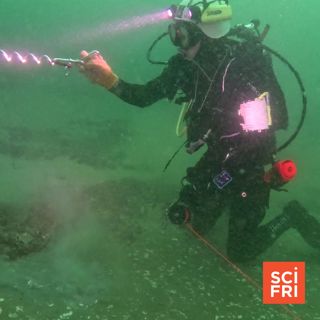
During the last ice age, America’s coastlines and waterways looked much different than they do today. When glaciers melted, coasts and shorelines were inundated, burying early human settlements underw...

23 Sep 18min
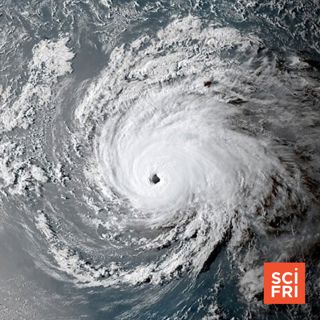
Climate change is increasing hurricane risk for Hawaiʻi

Climate change is increasing hurricane risk for Hawaiʻi

The Hawaiian Islands tend to be insulated from the worst effects of hurricanes, but this summer has been different. In mid-August, Hurricane Lala pummeled the Big Island, damaging homes and roads and ...

22 Sep 12min
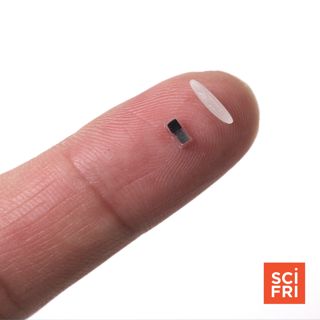
Bringing hard electronics into soft and squishy bodies

Bringing hard electronics into soft and squishy bodies

A lot of things in life are squishy, including your skin, your organs, and all the goo inside you. But technology tends to be rigid and hard. Figuring out how to get those two worlds to work together ...

21 Sep 18min
What is lymphatic drainage, anyway?

What is lymphatic drainage, anyway?

There’s a new wellness trend focused on an obscure capillary system that moves fluid around the body. Things like lymphatic walking, vibration plates, and compression boots have been touted as ways to...

18 Sep 18min
Hot flashes, hormone therapy, and the science of perimenopause

Hot flashes, hormone therapy, and the science of perimenopause

Perimenopause affects more than 4 billion people, but has historically been neglected by medicine. It’s the time before menopause when hormones start fluctuating wildly, leaving women with brain fog, ...

17 Sep 18min
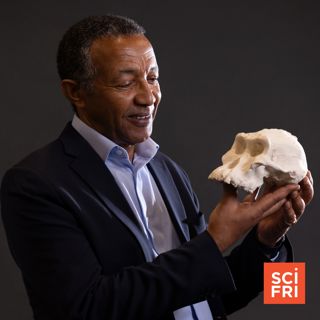
Telling the tale of human origins, one fossil tooth at a time

Telling the tale of human origins, one fossil tooth at a time

Where did we come from? How did humanity, with our complicated civilizations and all our human quirks and foibles, come to be? Much of what we know about those questions traces back to important fossi...

16 Sep 25min

Populært innen Vitenskap

fastlegen
romkapsel
liberal-halvtime
jss
tingenes-tilstand
forskningno
tomprat-med-gunnar-tjomlid
rekommandert
sinnsyn
villmarksliv
rss-paradigmepodden
fjellsportpodden
rss-nysgjerrige-norge
rss-kunstig-intelligens-med-elisabeth-maren-og-morten
rss-rekommandert
tidlose-historier
nordnorsk-historie
rss-inn-til-kjernen-med-sunniva-rose
psykopoden
grunnstoffene