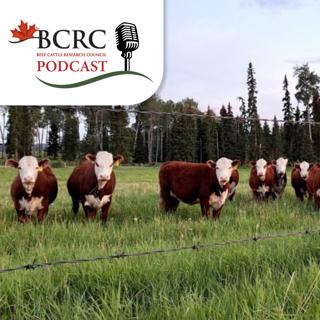
Episode 114: Selecting Replacement Heifers
Whether beef cattle producers retain females from their own herd or purchase them, replacement heifers are a key investment in the future of the herd. In this episode, two producers share their experi...
14 Apr 11min
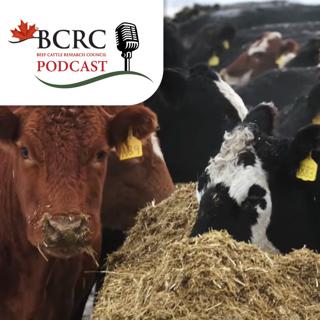
Episode 113: Silage is Top Choice for These Three Beef Producers
Canadian beef producers have been harvesting and feeding silage for decades. There are benefits to silage like flexibility when it comes to weather, producing more feed on fewer acres and potential co...
7 Apr 11min
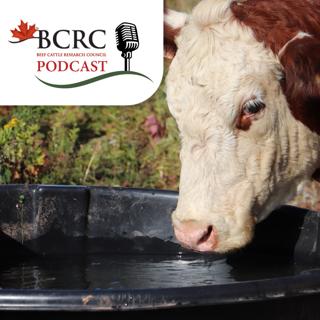
Episode 112: Innovative Water Initiatives to Improve Herd Health
In this episode, we visit a beef farm in Napanee, Ontario, to share one producer’s experience with water management. Hear how practical solutions like improved drainage and filtration, protecting natu...
31 Mar 4min
Episode 111: Artificial Insemination Brings Big Benefits to Small Beef Herds
This episode explores how artificial insemination (AI) can help beef producers accelerate genetic progress in their herds. Although AI has been available for more than six decades, adoption among Cana...
24 Mar 12min
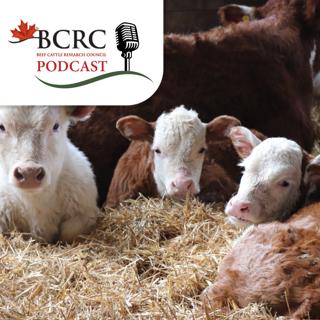
Episode 110: Solving Problems Starts with Asking the Right Questions
Diseases often begin when a susceptible calf encounters the wrong combination of microbes, weather and management stresses. This episode explores how pneumonia develops in calves and why early protect...
17 Mar 12min
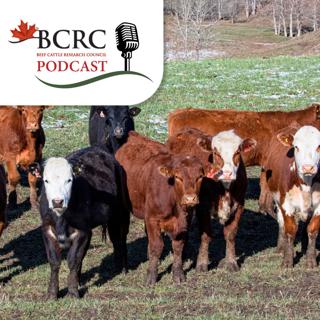
Episode 109: Extend the Grazing Season - Using Stockpiled Forage for Early Spring Grazing
As the seasons change, early-spring grazing serves as a strategic bridge from winter feeding to summer grazing. Rather than simply turning cattle out, success depends on carefully managing cool-season...
10 Mar 10min
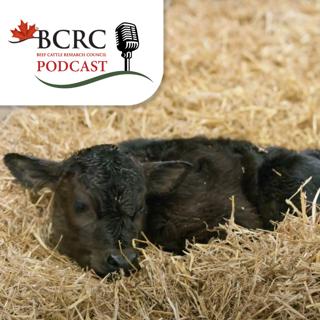
Episode 108: How to Evaluate Newborn Calves Using the Calf VIGOR Scoring System
Ideally, after a calf is born, things go well, and the cow and newborn calf thrive. However, it is important for producers to know how to assess calves for subtle signs of distress or trauma that can ...
3 Mar 5min
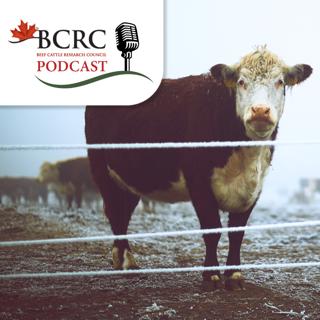
Episode 107: Think you have a closed herd?
Surveys show many producers believe they operate a closed herd, but what does “closed” really mean? For some, it simply means being genetically closed by raising their own replacements and cleanup bul...
24 Feb 8min