
906-Pierazzo Lunar Crater
The visually stunning Lunar Crater Pierazzo, named for the late Planetary Scientist Elizabeth “Betty” Pierazzo was observed by the Artemis II Crew as they passed over the Moon’s far side. It is a 5.9...
3 Jul 2min
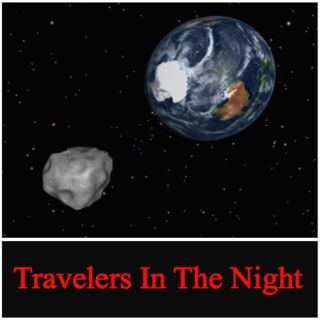
395E-436-Lonely Asteroids
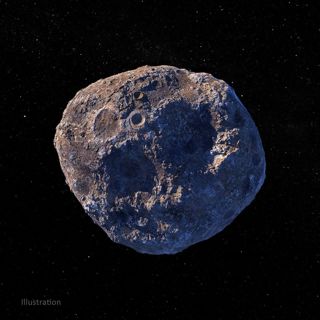
Most asteroids are located in the lonely space between Mars and Jupiter where the average distance between two asteroids is about 600,000 miles. Even though there is a tremendous space between asteroi...
30 Jun 2min
905-Hogan’s Interesting PHA
My Catalina Sky Survey teammate Josh Hogan has discovered a 2 football field diameter asteroid that was placed on NASA’s Sentry list because it has a tiny minuscule but non-zero chance of impacting ou...
26 Jun 2min
394E-435-Number 31
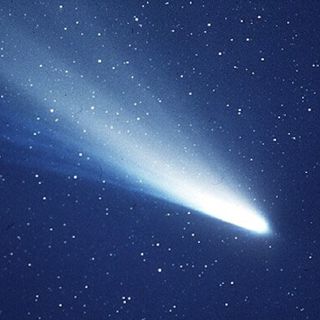
Asteroids appear as moving points of light in an asteroid hunter's images so that when my Catalina Sky Survey teammate Alex Gibbs spotted a fuzzy moving object he immediately suspected it to be a come...
23 Jun 2min
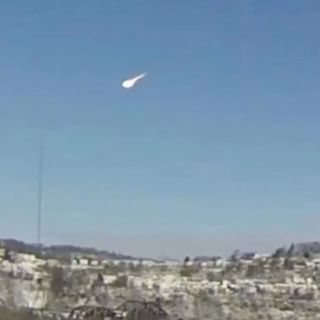
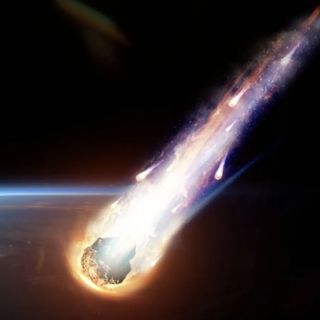
904-Ohio Fireball
On St. Patrick’s day 2026 a fireball meteor brighter than the full moon streaked across the daytime sky. The American Meteor Society received 223 eyewitness reports from observers in 15 states, the D...
19 Jun 2min
393E-431-Tough Space Rocks
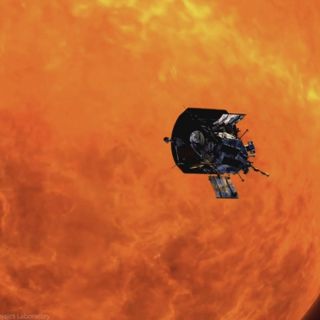
Most small asteroids are likely to be rubble piles of small rocks and dust loosely held together by their weak force of gravity while others may be made of ices of various substances. A few are solid ...
16 Jun 2min
903-Eclipse of the Moon Observing
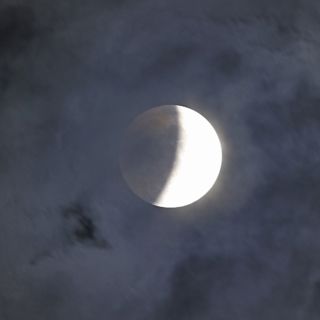
My team the Catalina Sky Survey has pioneered searching for asteroids coming from the direction of the dark side of the moon.
12 Jun 2min
392E-430-Deportee
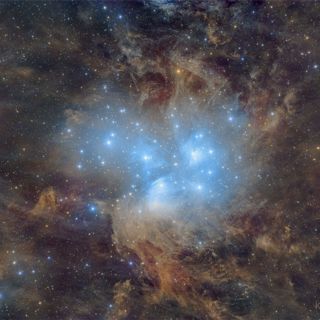
The beautiful star cluster the Pleiades in the constellation of Tauris is about 100 million years old making it one of the youngest objects that you can see in the natural night sky. Data obtained by ...
9 Jun 2min